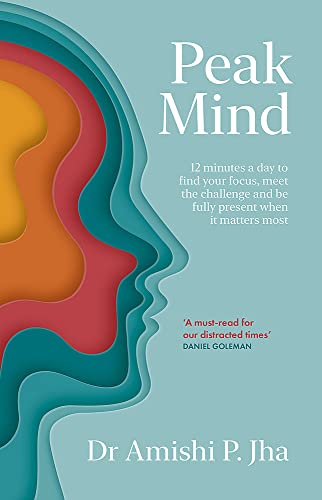
Attention Training: Taking Control of Your Focus
In Cognitive-Behavioral Therapy (CBT), attention training is one of those sneaky but powerful tools that helps people manage their thoughts and emotions by learning how to control where they place their focus. It’s all about teaching your brain to direct its energy to what actually matters, rather than letting it spiral into anxiety, depression, or stress.
Here’s a breakdown of what attention training is, why it works, and how it can help create some real change in mental health.

What is Attention Training?
Simply put, attention training is all about learning to control your focus. It’s not about suppressing thoughts or pretending certain things don’t bother you; instead, it’s about deciding what you choose to focus on. By getting better at this, people can stop unhelpful thought patterns in their tracks, which, let’s be honest, can be a game changer when you’re trying to deal with stuff like anxiety, depression, or trauma.Why Does Focus Matter in Mental Health?
Ever noticed how, when you’re anxious, all you can think about are the potential worst-case scenarios? Or when you’re feeling down, your mind latches onto every mistake or failure you’ve ever made? That’s what we call attentional bias—your brain loves to zoom in on the negatives. Attention training helps you break that cycle and widen your focus to include the stuff you usually miss, like the good things or even the neutral things that don’t set off emotional alarms. It’s also a great way to avoid cognitive overload—when you have so many thoughts buzzing around that you just end up frozen, unable to act or think clearly. By training attention, you can zero in on one thing at a time, and give yourself a mental break.
Goals of Attention Training
When you break it down, attention training has a few key goals:- Build cognitive flexibility: So you’re not stuck focusing on all the negative thoughts.
- Reduce bias: Train your brain to stop automatically jumping to the worst conclusions.
- Stay present: It’s about focusing on the here and now, rather than stressing about the future or dwelling on the past.
- Disrupt automatic thought patterns: Basically, stop those reflexive reactions from taking over.
How Does Attention Training Work?
Attention training comes in a few flavors, depending on what’s going on with the client. Here are some of the most common techniques:
1. Selective Attention Training
This is where clients practice focusing on specific things while tuning out distractions. Think of it like spotlighting—they focus their mind on certain details (like sounds or sensations) and learn how to switch that focus when needed. It’s like giving their attention a workout.
2. Mindfulness-Based Attention Training
A huge part of CBT involves mindfulness—getting clients to stay in the moment without judging themselves. Breathing exercises, body scans, or simply observing their thoughts without getting sucked in are all ways to practice this. It helps to pull them out of that mental loop where they’re either obsessing about the past or freaking out about the future.
3. Attention Bias Modification (ABM)
In cases like anxiety or depression, clients often zero in on the negatives. ABM is designed to retrain the brain to focus on more neutral or positive stimuli instead. It’s a subtle way of shifting their focus without forcing it, making their brain less reactive to negative stuff.
4. Multitasking Exercises
Although multitasking gets a bad rap, in therapy, it’s used to help clients learn to divide their attention between multiple things. It helps boost their mental flexibility and keeps them from getting overwhelmed when life throws too much at them.
5. Concentration Exercises
These are all about building staying power—training clients to maintain focus on one task for longer stretches of time. It’s like building up the endurance of their attention muscles.

Where Attention Training Helps in Therapy
Attention training is adaptable and can be used to treat a range of mental health challenges, including:
Anxiety Disorders
When anxiety kicks in, people focus on potential threats, real or imagined. Attention training can help them direct their focus away from these triggers and manage their emotional reactions better. It’s especially useful in exposure therapy, where clients are taught to face their fears while keeping their focus steady.
Depression
People with depression often get stuck ruminating on negative thoughts or memories. By training their attention to focus on more neutral or positive aspects, they can shift their mood. Breaking the cycle of rumination is a huge win for clients who tend to spiral into overthinking.
PTSD (Post-Traumatic Stress Disorder)
People with PTSD can become hyper-focused on trauma-related cues, which sets off their fight-or-flight response. Attention training helps them recognize when this is happening and shift their focus back to the present, reducing the power of intrusive memories.
OCD (Obsessive-Compulsive Disorder)
For those with OCD, attention training helps them resist the pull of obsessive thoughts and compulsions. It gives them the mental tools to redirect their focus, breaking the loop of obsession and compulsion.

Does Attention Training Really Work?
Studies show that attention training is effective for reducing symptoms in anxiety, depression, PTSD, and even OCD. The more people practice controlling their focus, the better they get at managing their emotional responses. It’s like a muscle—the more you work it, the stronger it gets.In Conclusion
Attention training is one of the most powerful techniques in CBT, helping people take control of their thoughts and feelings by learning how to focus their attention where it’s most useful. Whether it’s managing anxiety, breaking the cycle of rumination, or stopping the spiral of intrusive thoughts, attention training offers a way to take back control and build healthier mental habits. If you’re interested in learning more or think this might be a good fit for your practice, feel free to explore more about how this tool can be tailored to individual needs. It’s one of those techniques that can make all the difference!Related Articles
The Science of Sleep and Mental Health: Restoring Balance Through Therapy
We all know sleep is essential, but why is it so important for mental health? The relationship between sleep and the brain is complex, involving multiple processes that help us maintain psychological balance.
Focus and Concentration – A Natural Path to Flow
In an age where distractions are as common as cat videos, our ability to concentrate has become a superpower.
Good Books