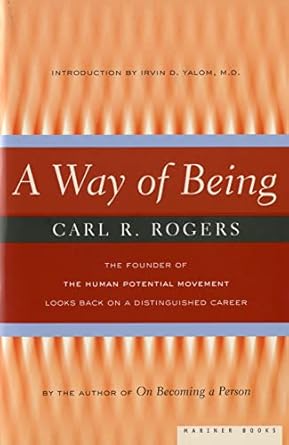
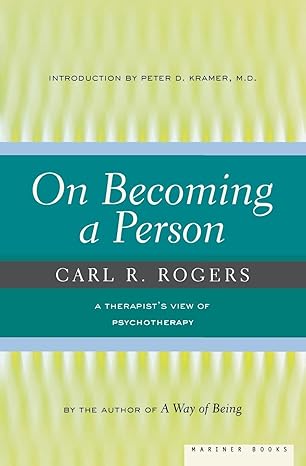
Carl Rogers: The Quiet Revolution in Counseling
Carl Rogers was a man who didn’t shout to be heard. His ideas weren’t about pushing or pulling; they were more about sitting back, listening, and letting something deeper unfold. If Sigmund Freud built therapy like an engineer, meticulously dissecting the human mind, Carl Rogers approached it like a gardener—providing the right conditions and trusting that growth would happen naturally. He believed people have an inner drive toward healing and self-actualization, and his job as a therapist was to offer the right environment for that to flourish.
His influence on counselling is massive, even if his approach wasn’t loud. It’s as if his work laid the foundation for what counselling could be—a space where people aren’t “fixed” but encouraged to grow in their own unique direction.
"What you are to be, you are now becoming." - Carl Rogers
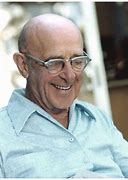
From Expert to Companion
Before Rogers, the therapist was usually seen as the expert—the authority who diagnosed the client’s problems and offered solutions. Rogers flipped that idea on its head. He believed that the client was the expert in their own life, and the therapist’s role was more about being a guide than a fixer.
Imagine a journey where, instead of being led, you’re walking side by side with someone who trusts you to know where to go. That’s how Rogers saw the therapeutic relationship—a partnership where the therapist helps the client navigate but doesn’t dictate the route. This shift gave clients more power and autonomy, making the therapy process feel more collaborative and less like an intervention.
The Core Conditions: Creating Space for Growth
Rogers’ famous “core conditions” are what he believed every person needed to truly heal and grow: empathy, unconditional positive regard, and congruence. These aren’t just buzzwords; they’re the foundation of how therapists can create a safe, nurturing space for clients to open up and explore their own potential.
Empathy is all about deeply understanding another person’s experience from their perspective. It’s more than just listening—it’s like trying to feel the world through their skin. When a therapist can do this, it creates a connection that feels genuine and reassuring. It’s a little like seeing your reflection in someone else’s eyes and realizing they really get you.
Unconditional Positive Regard is probably one of the most powerful tools Rogers offered. It’s the idea that no matter what a client says or does, the therapist accepts them fully, without judgment. Imagine walking into a room where all your flaws, mistakes, and insecurities are laid bare—and instead of criticism or disapproval, you’re met with acceptance. That’s the kind of atmosphere Rogers wanted to create, and in that environment, people can finally let down their guard and be real.
Congruence means the therapist is authentic and genuine in their interactions. There’s no pretense, no mask—what you see is what you get. It’s like having a conversation with someone who isn’t just playing a role or saying what they think you want to hear. This authenticity creates trust because when the therapist is real, the client can be real, too.
Together, these three conditions are like fertile soil, sunlight, and water for personal growth. Rogers believed that if you give people the right conditions, they will naturally move toward healing and becoming the best version of themselves.

“Life, at its best, is a changing, flowing process in which nothing is fixed.”
– Carl rogers
Trusting the Process: Self-Actualization
Rogers had a deep belief in self-actualization—the idea that, at their core, people are driven to grow, develop, and become the best version of themselves. It’s like a seed that instinctively knows how to sprout and grow into a plant. The therapist’s role isn’t to force or manipulate that growth but to nurture it.
This was a big shift from the way therapy was often practiced at the time, which focused on diagnosing problems and fixing them. Rogers believed that people weren’t broken; they just needed the right conditions to thrive. When those conditions are met, growth happens naturally—clients start to explore new possibilities, heal old wounds, and develop a clearer sense of who they are and where they want to go.


A Lasting Influence: How Person-Centered Therapy Changed Counseling
Rogers’ influence didn’t just stop at his own practice—his ideas reshaped the entire field of counseling, and beyond.
The Therapeutic Relationship: Rogers’ focus on the quality of the relationship between therapist and client has become a cornerstone of modern counseling. It’s now widely understood that the connection between therapist and client is one of the most important factors in whether therapy will be successful. In essence, Rogers taught us that therapy isn’t just about techniques or theories; it’s about creating a genuine, trusting relationship.
Humanistic Psychology: Rogers’ work played a major role in the development of humanistic psychology, which emphasizes personal growth, self-actualization, and the importance of subjective experience. This approach shifted the focus of therapy away from simply treating mental illness and toward fostering overall well-being and personal fulfillment.
Influence Beyond Therapy: Rogers’ ideas have also found their way into education, leadership, and even parenting. His belief in the power of empathy, acceptance, and authenticity has influenced how we think about teaching, managing people, and raising children. His work reminds us that, whether in therapy or everyday life, people grow best when they feel understood, valued, and accepted.
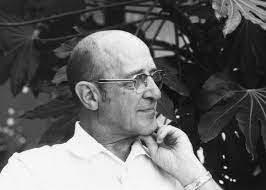
Carl Rogers’ Legacy: A Gentle Revolution
Carl Rogers didn’t push his way into the spotlight, but his influence on counseling is undeniable. His approach, often called a “quiet revolution,” changed the way we think about therapy and human potential. Instead of focusing on fixing problems, he focused on creating an environment where people could grow and heal on their own terms.
His legacy is a reminder that sometimes the most powerful changes come from the simplest ideas—like the belief that, with the right support, people are capable of incredible things. Rogers taught us to trust the process, to value authenticity, and to believe in the power of empathy and acceptance.
In the end, his work is like a steady, nurturing hand, gently guiding us toward the realization that we are enough as we are, and that healing and growth don’t need to be forced—they just need the right space to happen.
Related
Zen: Living Practice
Zen is a school of Mahayana Buddhism that emphasizes meditation (zazen), direct experience, and simplicity over intellectual reasoning or religious rituals.
The Quiet Power of Habits
We wait until we feel inspired to exercise, eat well, meditate, or finally tackle that difficult conversation. Unfortunately, motivation is often unreliable. Some days it arrives effortlessly. On others, it seems to disappear altogether.
Good Books