Focus and Concentration: Navigating the Path to Flow
Let’s talk about something that’s become quite the buzzword lately—focus. In an age where distractions are as common as cat videos, our ability to concentrate has become a superpower. But what does it mean to truly focus? And how does this skill lead to the elusive state of Flow? Let’s dive into the mechanics of focus and explore how we can strengthen our concentration muscles to reach our full potential.
The Anatomy of Focus: Internal, External, and Other
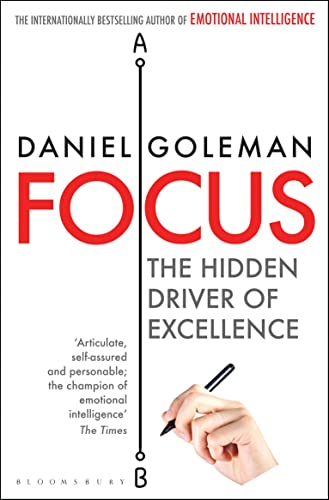
Our focus isn’t just a one-size-fits-all ability; it’s multi-faceted. Daniel Goleman, author of Focus: The Hidden Driver of Excellence, broke it down into three types:
Internal Focus – This is the attention we turn inward, observing our thoughts, emotions, and bodily sensations. It’s that sense of self-awareness that lets us track our own mind and body and recognize when we’re slipping into distraction.
External Focus – This is directed outward. It’s how we absorb the world around us, whether through sights, sounds, or social cues. This type of focus allows us to respond to what’s happening outside our immediate experience and is crucial for understanding our environment.
Other Focus – This third type is all about connection. It’s the focus we place on other people, tuning into their feelings, emotions, and experiences. It’s essential for building empathy and for any meaningful interaction, as it helps us understand others on a deeper level.
Strengthening each type of focus builds a foundation for a richer, more complete approach to concentration.

Concentration: The Key to Effective Focus
Concentration is where the rubber meets the road. It’s the ability to maintain focus over time, without getting thrown off by distraction or fatigue. Concentration takes effort—it’s a mental workout. Like any other muscle, the more you use it, the stronger it gets.
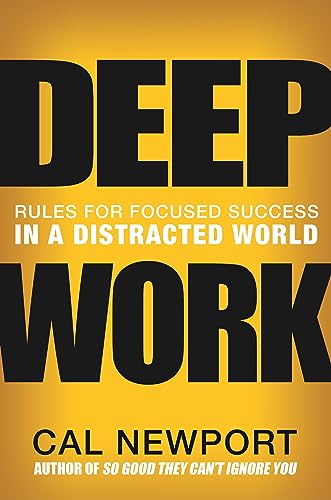
The mind can only hold one thought at a time. In his book Deep Work: Rules for Focused Success in a Distracted World, Cal Newport highlights the importance of this undivided focus, especially in our professional lives. Newport argues that by deliberately scheduling deep, uninterrupted work, we can achieve the level of concentration necessary for high productivity and creativity.
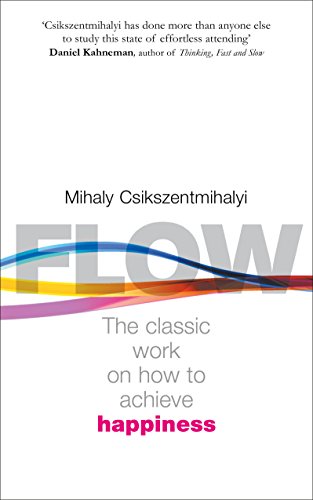
The ability to focus deeply not only allows us to tackle challenging tasks more effectively but also invites us to enter a state of Flow, a term popularized by psychologist Mihaly Csikszentmihalyi.
Flow: When Concentration Meets Joy
Mihaly Csikszentmihalyi, author of Flow: The Psychology of Optimal Experience, describes Flow as the state of being fully immersed in an activity, where time seems to disappear and we operate at our highest potential. We’re talking about those moments when hours fly by and we feel at one with what we’re doing. It’s pure focus, coupled with a sense of purpose and enjoyment.
Csikszentmihalyi’s research found that Flow isn’t just an occasional, fleeting state but something we can work towards by cultivating our focus and matching our skills with the challenge at hand. He identified several key elements of Flow:
- Clear Goals – When you know what you’re working towards, it’s easier to focus.
- Immediate Feedback – Seeing the impact of your actions helps keep you on track.
- Balance of Skill and Challenge – The task shouldn’t be too easy (leading to boredom) or too hard (leading to frustration).
When these conditions are met, we can find ourselves fully engaged in the moment, our focus and concentration naturally aligning.
The Challenge of Focus in the Modern World
We all know how hard it is to stay focused these days. From notifications pinging on our phones to the allure of endless scrolling, there’s always something vying for our attention. And each time we allow ourselves to be distracted, our ability to concentrate takes a hit.
But focus is a skill that can be developed with practice. Here are some strategies:
Create Focused Time Blocks – Try scheduling specific times for deep work, free from distractions. You could use techniques like the Pomodoro Technique (work for 25 minutes, then take a 5-minute break) to keep yourself in the zone.
Limit Distractions – Turn off notifications, close unused tabs, and set boundaries for when and where you’ll check your phone. A clutter-free environment is more conducive to a clutter-free mind.
Practice Mindfulness – Techniques like meditation and mindful breathing are proven to improve focus. By training yourself to bring attention back to the present moment, you’re also practicing concentration.
Cultivating Flow in Everyday Life
Flow doesn’t have to be limited to artistic or professional pursuits. You can find it in everyday activities like cooking, gardening, or even cleaning. The trick is to approach these tasks with intention and focus.
To find Flow, choose activities that challenge you just the right amount, and set aside time to engage in them without interruptions. You might also consider journaling about your Flow experiences—what activities draw you in, what conditions help you feel most engaged, and what distracts you. By paying attention to these factors, you can start crafting a lifestyle that invites more moments of Flow.

Bringing It All Together
Focus and concentration are the foundation of so much in life—whether it’s learning a new skill, building deeper relationships, or finding those elusive moments of Flow. Authors like Daniel Goleman, Cal Newport, and Mihaly Csikszentmihalyi offer tools and insights for cultivating focus and achieving deeper, more satisfying levels of engagement in whatever you do.
With these tools at your disposal, take a moment to reflect on how you can incorporate more focus into your daily life. Start small: practice mindfulness, schedule time for deep work, or dedicate a few minutes to an activity that brings you joy. Over time, these small steps build resilience and discipline, unlocking the potential for Flow—and a richer, more fulfilling life.
Related Articles
Finding Flow
Imagine being so deeply immersed in an activity that everything else falls away.
Attention Training: Taking Control of Your Focus
By training attention, you can zero in on one thing at a time and give yourself a mental break.
Good Book List