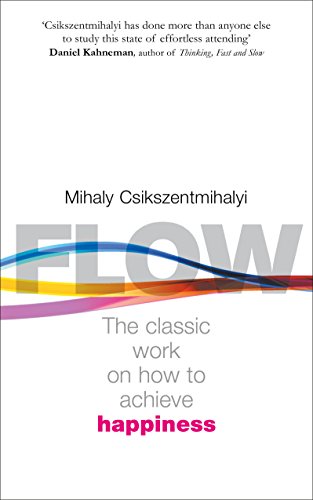
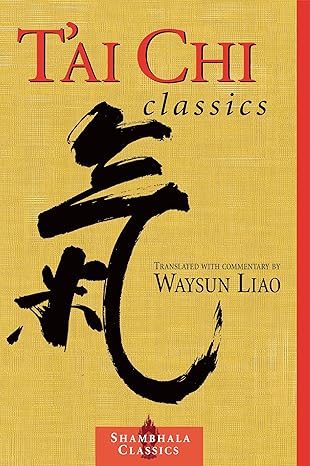
Flow: Achieving optimal Presence and Performance
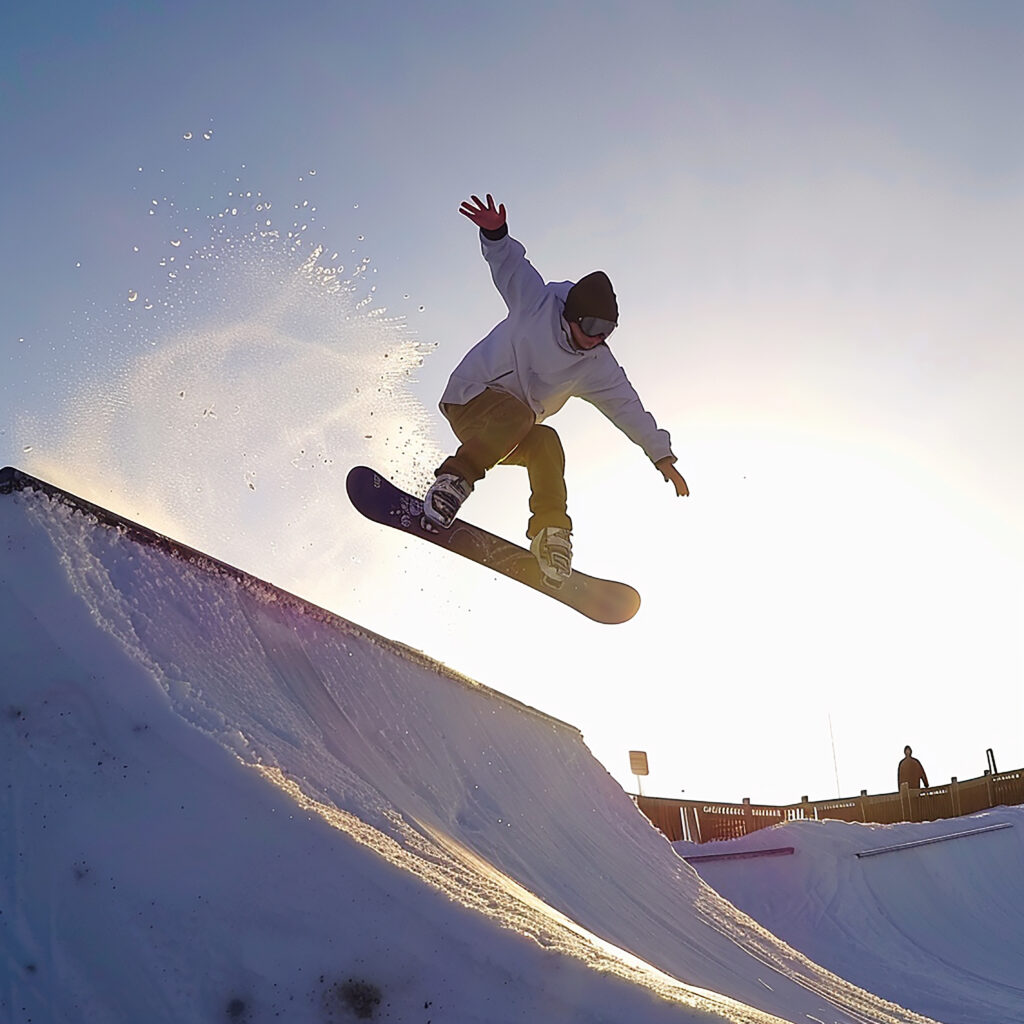
Imagine being so deeply immersed in an activity that everything else falls away—time seems to stop, distractions fade, and you’re completely absorbed in what you’re doing. This state is known as flow, a concept popularized by psychologist Mihaly Csikszentmihalyi. Often referred to as being “in the zone,” flow is a mental state where focus, creativity, and performance peak. It’s a place where skill and challenge meet perfectly, leading to a sense of effortless action and profound satisfaction.
This state isn’t limited to just athletes or artists—it’s a universal experience that can be found in a wide range of activities, from sports to Tai Chi, from creative writing to everyday work. But what exactly is flow, how can we achieve it, and why is it so important for our overall well-being?
Defining Flow: The Psychology of Optimal Experience
Csikszentmihalyi first introduced the concept of flow in the 1970s after researching individuals who seemed to achieve a heightened state of focus and enjoyment in their activities. Flow occurs when an individual’s skill level perfectly aligns with the challenge at hand. If the task is too easy, boredom sets in; if it’s too hard, anxiety takes over. However, when there’s a balance—when your abilities are stretched just enough—you can enter flow.
According to Csikszentmihalyi, flow is characterized by several key elements:
- Complete Focus and Immersion: You are entirely absorbed in the task, with no room for distractions.
- A Sense of Effortlessness: Actions flow seamlessly, and while the task may be challenging, it feels natural.
- A Loss of Time Awareness: Hours may pass without you noticing; you’re so engaged that time seems to stop.
- Clear Goals and Immediate Feedback: You know what you’re doing and why, and you receive direct feedback from the task itself.
- A Balance Between Challenge and Skill: The task is demanding but achievable, matching your current abilities.
Whether you’re a professional athlete pushing your body to its limits or a painter lost in creative expression, flow is the optimal state of performance and personal fulfillment.
Sports Metaphors: Flow in Action
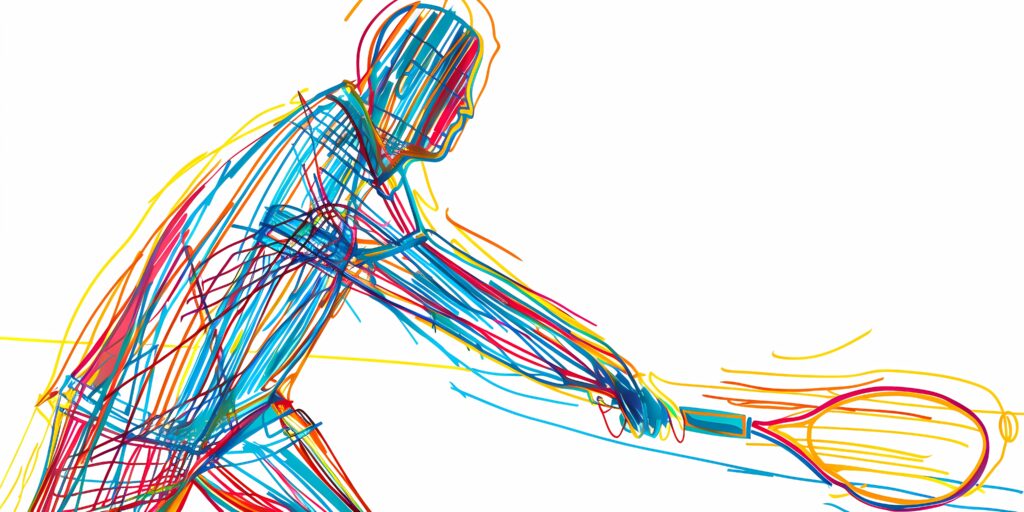
Athletes often describe flow as being “in the zone,” where everything clicks and performance feels effortless. Consider a basketball player in a high-stakes game. The crowd disappears, the pressure fades, and the player is solely focused on the ball, the hoop, and the next move. Every pass, dribble, and shot seems to come naturally, without overthinking. This state of complete absorption and peak performance is a quintessential example of flow in sports.
The Runner’s High
The concept of flow is often compared to the well-known phenomenon of the “runner’s high.” When a runner hits their stride after miles of pushing through physical discomfort, they enter a state of flow where they feel invincible. The pain subsides, the mind becomes quiet, and the runner is left with an exhilarating sense of freedom and achievement. This experience isn’t just about physical endurance; it’s a blend of mental focus, body awareness, and a deep connection to the present moment.
Flow in Martial Arts and Tai Chi: Effortless Action and the Daoist Ideal
Flow is not limited to high-adrenaline sports. It also finds a natural home in more meditative practices like Tai Chi, where the emphasis is on effortless action—a principle deeply embedded in Daoist philosophy. Tai Chi practitioners strive to move through a series of slow, deliberate motions, cultivating a state of relaxed yet focused attention. The aim is to achieve Wu Wei, or “non-action,” where actions are performed with natural ease, in perfect harmony with the body and environment.
Much like the concept of flow, Tai Chi highlights the importance of being present and letting go of unnecessary effort. There’s no need to force movements; they should flow naturally from one to the next. In both flow and Tai Chi, the goal is to let go of conscious control, allowing the body and mind to move in synchrony. The challenge and skill alignment in Tai Chi is subtle but powerful—balancing focus, breath, and movement while maintaining a sense of calm and clarity.
Wu Wei and Flow: Parallel Paths
In many ways, flow parallels the Daoist concept of Wu Wei, which means “effortless action” or “action without force.” In flow, we achieve a state of harmony between our actions and the demands of the task at hand, with minimal conscious interference. There’s a natural ease that arises when the challenge is right, just as in Tai Chi, where the aim is to move in alignment with the natural flow of energy.
In both flow and Wu Wei, there is an understanding that pushing too hard creates resistance. Instead, when we surrender to the task—whether it’s a martial arts form or a challenging creative project—we unlock our potential and achieve optimal results without overexertion.
Cultivating Flow: How to Enter the Zone
While flow can feel elusive, it’s not entirely out of our control. There are specific conditions that can help facilitate flow, whether in sports, creative endeavors, or everyday tasks:
Set Clear Goals: Know what you’re aiming to achieve. Whether you’re an athlete preparing for a game or a writer starting a project, having clear objectives provides direction and focus, which are essential for entering flow.
Balance Challenge and Skill: Flow requires a balance between your skill level and the challenge you’re facing. If a task is too easy, increase the difficulty. If it’s too hard, break it down into smaller, manageable parts.

Minimize Distractions: Flow requires deep focus, so eliminate distractions. This could mean finding a quiet space, turning off your phone, or setting specific time blocks for uninterrupted work or practice.
Embrace the Present Moment: Flow is a deeply present-moment experience. Mindfulness techniques, like focusing on your breath or grounding yourself in your senses, can help bring you into the here and now, a prerequisite for flow.
Get Immediate Feedback: Feedback is crucial for sustaining flow. Whether it’s the swish of the basketball hitting the net or the immediate feeling of balance in Tai Chi, real-time feedback helps guide your actions and keeps you engaged.
Why Flow Matters: Enhancing Well-Being and Performance
Flow is more than just a state of peak performance—it’s a key to improving well-being. Csikszentmihalyi’s research shows that people who experience flow regularly report higher levels of happiness and life satisfaction. This makes sense: when we’re in flow, we’re fully engaged, losing ourselves in something meaningful, whether it’s creative work, a challenging sport, or a simple hobby.
Flow also enhances learning and skill development. Because the state requires a perfect match between challenge and ability, it continuously stretches our capacities without overwhelming us. Over time, these small incremental improvements compound, leading to mastery and growth in any area of focus.
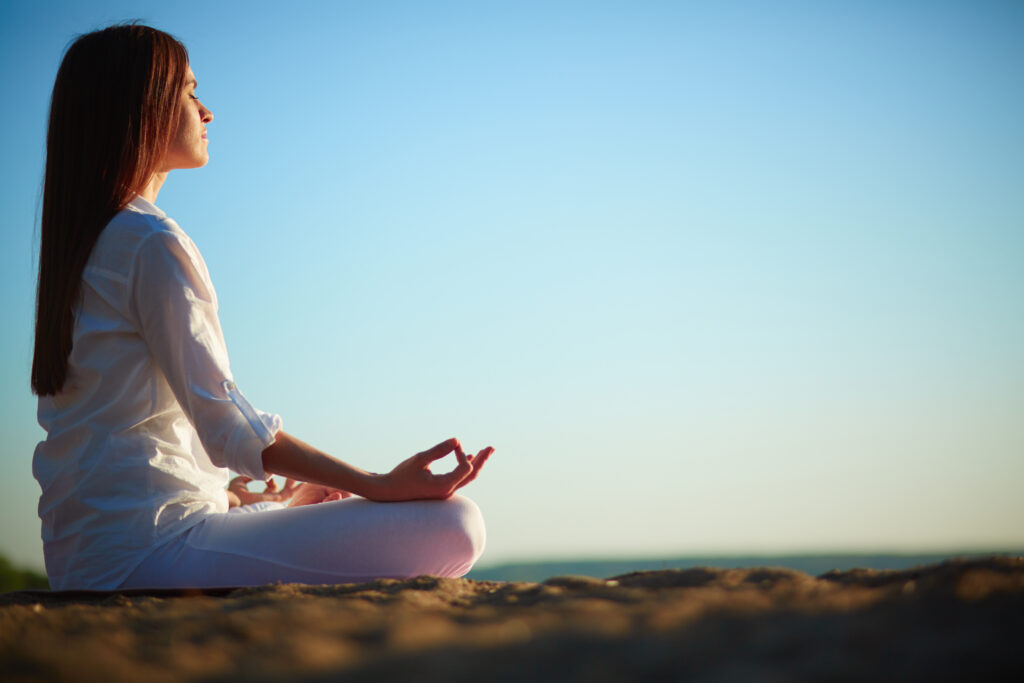
“…It is when we act freely, for the sake of the action itself rather than for ulterior motives, that we learn to become more than what we were.”
― Mihaly Csikszentmihalyi
Conclusion: Flow as a Path to Personal Fulfillment
The concept of flow has applications far beyond sports and Tai Chi—it’s a universal experience that can be cultivated in all areas of life. Whether you’re pushing your limits in physical exercise, pursuing creative passions, or working on professional projects, flow is a state of optimal performance and profound satisfaction. Csikszentmihalyi’s groundbreaking research shows us that when we align our challenges with our skills and embrace the present moment, we unlock the potential to not only perform better but also to experience life more fully.
Flow, like the Daoist principle of Wu Wei, reminds us that the key to success and happiness often lies in letting go of control and allowing our actions to align naturally with the demands of the moment. So, the next time you’re engaged in an activity, ask yourself: “Am I forcing this, or am I flowing with it?” The answer might just change the way you approach your work, your hobbies, and your life.
Related Articles
Focus and Concentration – A Natural Path to Flow
In an age where distractions are as common as cat videos, our ability to concentrate has become a superpower.
The Quiet Power of Qi Gong: Finding Harmony in Movement
At its core, Qi Gong is a practice of movement, breath, and intention. For some, it’s a way to ease physical discomfort—relieving tension, reducing pain, and improving flexibility.
Daoism: The Way
“That which offers no resistance, overcomes the hardest substance.” – Laozi
Good Books