Zen: Living Practice
Zen is a school of Mahayana Buddhism that emphasizes meditation (zazen), direct experience, and simplicity over intellectual reasoning or religious rituals. Originating in China as Chan Buddhism, heavily influenced by Daoism and Wu-Wei and later developing in Japan, Zen focuses on the practice of mindfulness and awareness in everyday activities, encouraging practitioners to experience enlightenment (satori) in the present moment. An idea that through simple mindfulness of the day’s activities and commitment to meditative practices an ethical approach to life will arise naturally and effortlessly.

Key Concepts of Zen:
Zazen (Sitting Meditation): Zazen is the core practice of Zen, where practitioners sit in a meditative posture, focusing on the breath or observing thoughts and sensations without attachment. The purpose is to quiet the mind, cultivate awareness, and experience insight into the nature of existence.
Kōans (Paradoxical Questions or Statements): Kōans are riddles or paradoxes used in Zen practice to challenge logical thinking and help break the dualistic nature of thought. They encourage direct realization of the truth by pushing the practitioner beyond intellectual reasoning. An example is the famous kōan, “What is the sound of one hand clapping?”
Satori (Enlightenment or Awakening): Satori refers to a sudden experience of enlightenment, a direct and immediate realization of the true nature of reality. Unlike in some other Buddhist traditions that view enlightenment as a distant goal, Zen often speaks of it as an experience available in the here and now.
Mushin (No-Mind or Empty Mind): Mushin refers to a state of mind where the practitioner is free from ego, attachment, and dualistic thought. It is characterized by spontaneity, effortless action, and clarity, embodying the idea of wu wei (effortless action) found in Daoism.
Simplicity and Everyday Life: Zen teachings emphasize simplicity and the beauty of the ordinary. This is reflected in the Zen arts, such as tea ceremonies, calligraphy, and Zen gardens, where the goal is to be fully present in each moment. Zen sees profound truth in ordinary activities, teaching that enlightenment can be found in the most mundane of tasks.
Non-Duality: Zen stresses the interconnectedness of all things and the dissolution of the subject-object divide. The dualistic thinking that separates “self” from “other” or “good” from “bad” is seen as an illusion. In true understanding, everything is unified, and one’s experience becomes non-dualistic.
Embracing the Core Principles of the Buddha in Zen
While Zen has long been admired for its simplicity, profound wisdom, and practical approach to life’s challenges. And at its core, Zen isn’t about complex rituals or lofty dogmas; it’s about experiencing the present moment fully and clearly, without the distractions of overthinking. The essence and philosophy of Zen lies in understanding the nature of suffering and walking a path toward peace and clarity. Let’s dive into the heart of Zen Buddhism by exploring the Four Noble Truths and the Eightfold Path.

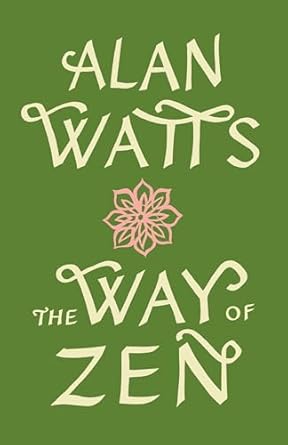
“Muddy water is best cleared by leaving it alone.” – Alan Watts
The Four Noble Truths: The Gateway to Understanding Suffering
The foundation of Zen Buddhism, like all of Buddhism, begins with the Four Noble Truths, which form a roadmap for understanding the human condition and finding liberation from suffering.
The Truth of Suffering
Life, as we experience it, is filled with dissatisfaction. Whether it’s the daily struggles or the fleeting nature of happiness, suffering is inherent in life. Zen invites us to recognize and accept this truth without denial.The Truth of the Cause of Suffering
Craving and attachment are at the root of our suffering. Our relentless desire for things to be a certain way—whether it’s material wealth, emotional states, or relationships—creates a cycle of disappointment. Zen practice asks us to notice how these attachments arise in the mind and gently let them go.The Truth of the End of Suffering
There is a way out of this cycle. Liberation from suffering is possible, and this liberation is what Zen calls “awakening.” It’s not about eliminating pain, but about transforming our relationship to it. When we stop clinging, we stop suffering.The Truth of the Path
The way to end suffering is through the Eightfold Path, a practical guide to living with wisdom, ethical conduct, and mental discipline. In Zen, the path isn’t something separate from life; it is life—lived fully in each moment, with awareness and compassion.
The Eightfold Path: A Practical Guide to Liberation
The Eightfold Path is Zen’s answer to the question, “How do we live well in the world?” Each step is not a rule but an invitation to bring mindfulness into every action, thought, and intention.

Ethical Conduct
Right Intention
Committing to ethical, compassionate, and non-harming intentions. It’s about aligning your heart and mind with kindness and clarity.
Right Speech
Speak truthfully and kindly. Words have power, and Zen practice encourages speech that fosters understanding rather than division..
Right Livelihood
Earn a living in a way that does not cause harm to others. Zen asks us to consider the impact of our work on the broader world and to find paths that align with ethical principles.
Mental Discipline
Right Effort
Cultivate a positive and balanced energy toward life’s challenges. Zen practice isn’t about trying too hard or being overly lax—it’s about finding the sweet spot where effort is natural and sustainable.
Right Mindfulness
Be present, aware, and fully engaged with whatever you are doing. In Zen, mindfulness is not just something you practice on the cushion; it’s a way of life. Whether washing dishes or walking through nature, mindfulness turns every moment into meditation.
Right Concentration
Deepen your focus through meditation and bring your mind into unity with your actions. Concentration is about cultivating a still, clear mind that can see reality as it is—undistracted by desires or fears.
Wisdom
Right Understanding
Seeing things as they are—impermanent, interconnected, and empty of fixed self. Zen encourages us to drop preconceived notions and see the world with fresh eyes.
Right Action
Act with integrity, compassion, and mindfulness. Whether it’s through work, relationships, or daily activities, every action becomes an opportunity to practice presence and ethical living.

"Before enlightenment, chop wood, carry water. After enlightenment, chop wood, carry water." – Zen Proverb
Conclusion: Zen as a Living Practice
This is the very simplest most deconstructed version of what can be written. I would go further to say only through Zazen meditation can we truly deconstruct ideas enough to experience this directly. “The words cannot be spoken”. Still, at its heart, Zen is about living fully, deeply, and authentically in each moment. The Four Noble Truths remind us of the inevitability of suffering, while the Eightfold Path gives us the tools to walk through it with grace and clarity, making our everyday actions expressions of generosity, discipline, patience, and wisdom.
Zen is not something separate from life; it’s found in the simplicity of breathing, in the mindful way we handle our struggles and in the compassion we offer ourselves and others. The practice of Zen is the practice of being human—fully, vulnerably, and compassionately.
Let’s not overcomplicate it: sit, breathe, be present, and let the natural flow of life carry you.

Related Articles
Daoism: The Way
“That which offers no resistance, overcomes the hardest substance.” – Laozi
The Quiet Power of Qi Gong: Finding Harmony in Movement
At its core, Qi Gong is a practice of movement, breath, and intention. For some, it’s a way to ease physical discomfort—relieving tension, reducing pain, and improving flexibility.
Good Books