Neuroplasticity and Brain Adaption
Neuroplasticity: The Brain’s Incredible Ability to Change and Heal
Have you ever wondered how the brain adapts after learning something new or recovering from an injury? The answer lies in neuroplasticity, the brain’s remarkable ability to reorganize itself, forge new neural pathways, and even rebuild areas affected by trauma. It’s a process that happens naturally throughout our lives, and it has profound implications for personal growth, mental health, and even therapy.
What is Neuroplasticity?
Neuroplasticity refers to the brain’s ability to change its structure and function in response to experiences, learning, or damage. Once thought to be rigid and unchanging after childhood, science now shows that the brain remains flexible well into adulthood. This adaptability allows us to learn new skills, form memories, recover from injuries, and even shift long-standing habits or thought patterns.
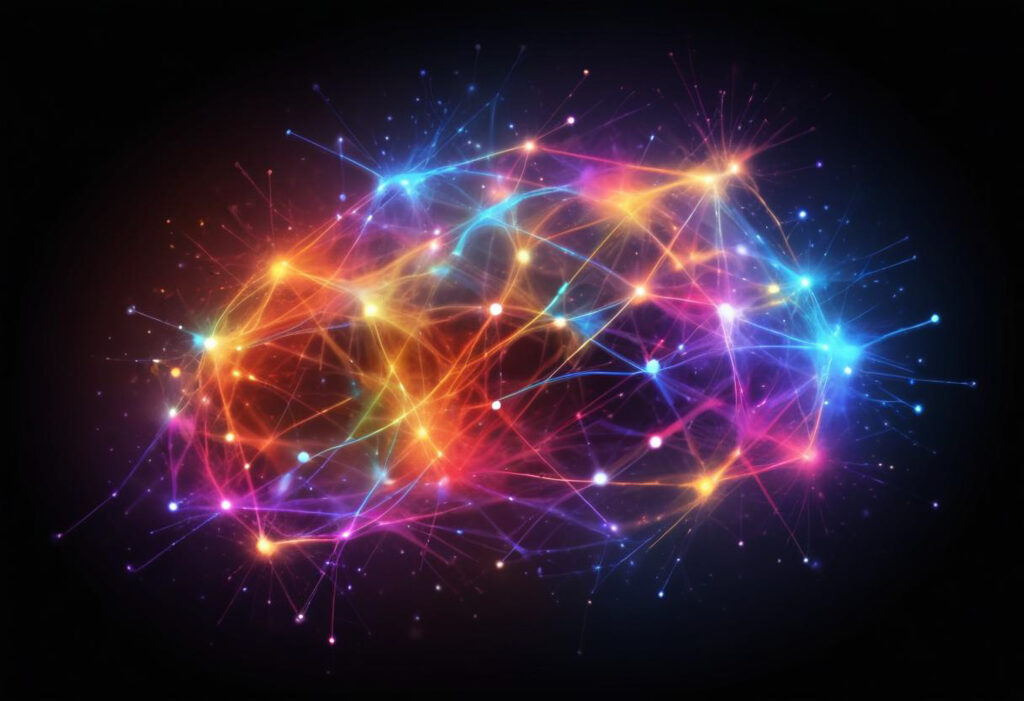
Imagine the brain as a vast network of roads, with each experience or thought being like a car traveling along those roads. When you engage in new activities or practice certain thoughts and behaviors repeatedly, you pave new routes, making those roads smoother and easier to navigate. In contrast, underused pathways can weaken and fade, showing that our brain continuously rewires itself based on what we focus on and do.
How Does Neuroplasticity Work?
Neuroplasticity occurs at two levels:
Synaptic Plasticity – This is the more short-term process, where the strength of connections between neurons changes. When you practice a new skill, like learning to play the guitar, the neurons responsible for finger movements and musical interpretation fire together. Over time, these repeated firings strengthen the synapses between them, making it easier to play that chord progression without conscious thought.
Structural Plasticity – This involves actual changes in the brain’s anatomy over time. The brain can grow new neurons (neurogenesis) and create new neural pathways in response to learning, trauma, or environmental changes. This is especially relevant for recovery from strokes, traumatic brain injuries, or even therapy for mental health conditions. With proper training and care, the brain can find new ways to compensate for lost functions or unhealthy thought patterns.
Neuroplasticity in Therapy
In the therapeutic world, neuroplasticity is the foundation for various approaches that promote healing and growth. From cognitive-behavioral therapy (CBT) to mindfulness practices, the goal is to help individuals build new neural pathways and undo negative patterns of thought or behavior.
Cognitive-Behavioral Therapy (CBT) – CBT helps clients identify and challenge negative thought patterns, creating new, healthier ways of thinking. Through repeated practice, these new patterns become ingrained, essentially “rewiring” the brain toward more positive outcomes.
Mindfulness and Meditation – Regular mindfulness practices are shown to increase grey matter in areas of the brain related to attention, memory, and emotional regulation. It’s like giving your brain a workout at the mental gym, creating a calmer and more focused mind by reinforcing pathways associated with relaxation and awareness.
Trauma and Addiction Recovery – Trauma leaves its mark on the brain, often creating rigid pathways tied to fear or anxiety. But with therapy, those suffering from trauma can develop new connections that support resilience and emotional regulation. Similarly, in addiction therapy, neuroplasticity helps people move away from habitual, destructive behaviors toward healthier coping mechanisms.
Real-Life Applications of Neuroplasticity
Every time you learn something new—whether it’s a language, an instrument, or even how to manage your emotions more effectively—you’re engaging in neuroplasticity. The implications are vast:
Stroke Recovery – People who’ve suffered strokes can relearn skills, often using different parts of the brain to compensate for damaged areas. Through consistent rehabilitation exercises, stroke patients can regain lost functions by forming new pathways.
Habit Formation – Breaking old habits, like smoking or overeating, and replacing them with healthier ones is also a product of neuroplasticity. By consistently practicing new behaviors, your brain prioritizes these patterns, making them easier to maintain.
Lifelong Learning – Neuroplasticity doesn’t stop with adulthood. If you continue to challenge your brain through learning, creativity, and physical activity, you can keep your brain flexible and healthy as you age.
The Daoist Connection: Flowing with Change
From a Daoist perspective, neuroplasticity is a perfect example of how we can align with the natural flow of life (Wu Wei). Just as water molds itself to the contours of its environment, neuroplasticity allows our brains to adapt to the experiences we encounter. When we are in tune with the process of learning and unlearning, we engage effortlessly with our capacity to heal, grow, and change—both in our minds and in our lives.
Embracing Neuroplasticity in Everyday Life
Neuroplasticity is a hopeful concept—it means change is possible no matter how ingrained old patterns seem to be. Whether you’re learning a new skill, recovering from an emotional wound, or navigating the stresses of daily life, remember that your brain is capable of adapting. You are never stuck in one way of thinking, feeling, or being. With consistent effort and the right support, you can transform your mind, and in turn, your life.
Read more